WorkshopsSmall rooms · Real agendas

Fewer slides.Better decisions.

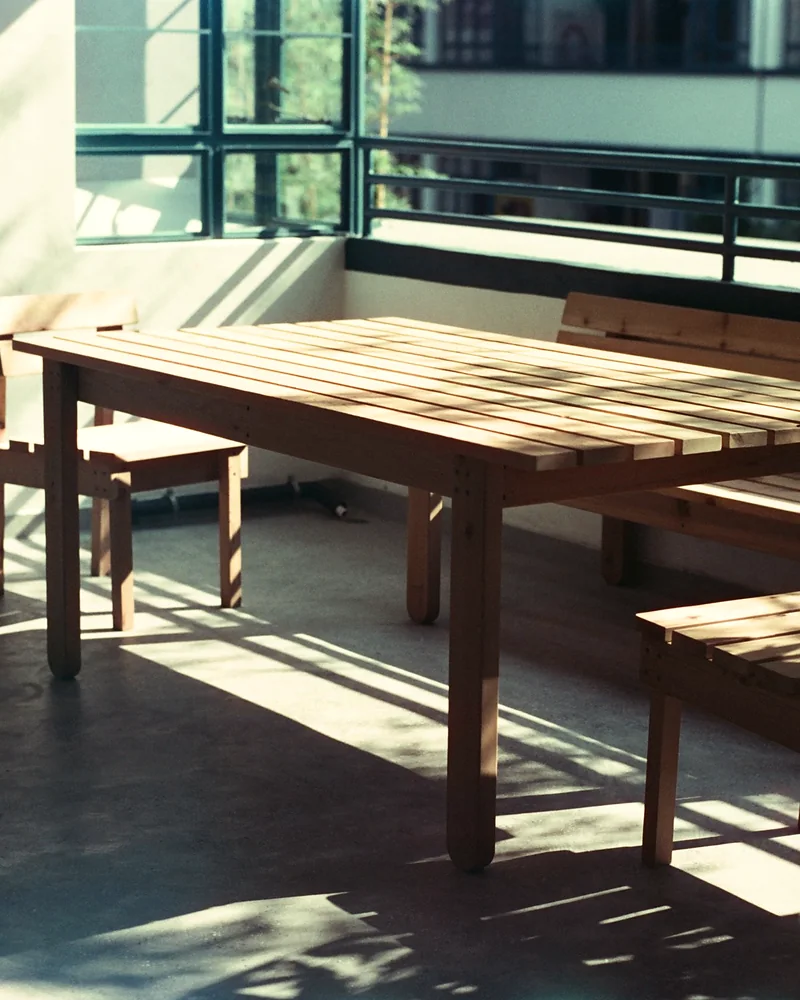
Avery Rowan at a long oak table in a calm, daylit room with windows onto trees
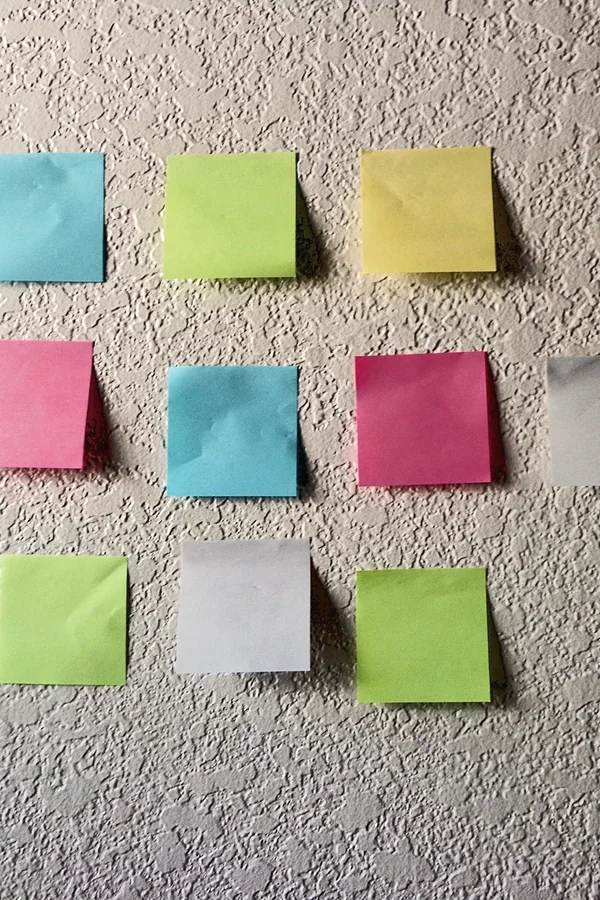
Coloured sticky notes arranged in a loose grid on a white wall

Fig. 03 — Alignment Day, working wall

Why small

A workshop is only useful if the people in it say what they actually think. That happens in small rooms, with a clear purpose and enough time to disagree.

Every STILLPOINT workshop is designed for a specific team and a specific question. We interview participants beforehand, keep groups between two and twelve people, and finish with a written record of what was decided and who owns it.

Four formats

Each format is a starting point. The agenda is always rebuilt around your team.

01

The Alignment DayFor leadership teams who agree in principle and drift in practice.

A full day built around the three decisions your team most needs to make together. Pre-session interviews shape the agenda, so the day starts with what is actually contested rather than what is comfortable.

Length
One day
Group
4–12 people
Output
Decision record

02

Hard Conversations LabFor managers who want to practise the conversation before it matters.

A half-day, small-group session of structured rehearsal. Participants bring a real conversation they are avoiding, and leave with an opening sentence, a plan and the experience of having said it out loud once already.

Length
Half day
Group
4–8 people
Output
Personal conversation plan

03

Founding Team ResetFor co-founders whose roles, expectations or ambitions have quietly diverged.

Two days, usually off-site, to revisit how decisions get made, who owns what, and what each founder needs from the others now that the company is no longer what it was at the start.

Length
Two days
Group
2–5 founders
Output
Working agreement

04

Change Briefing StudioFor leaders preparing to announce or carry significant change.

A focused session to shape the change narrative (known, not yet known, next) and rehearse the announcement and the questions that will follow it, before anyone outside the room hears it.

Length
Half day
Group
2–6 leaders
Output
Narrative + Q&A plan

Anatomy of a day

How an Alignment Day unfolds

A typical rhythm. Timings flex; the sequence rarely does: surface, weigh, decide, rehearse.

  1. 08:45

    Arrive

    Coffee, no slides. A short check-in on what each person needs from the day.

  2. 09:30

    Surface

    Anonymous inputs from the interviews, read aloud. Where are we actually disagreeing?

  3. 11:30

    Weigh

    Options and trade-offs, made explicit. What does each choice cost, and who carries it?

  4. 14:00

    Decide

    Commitments with names and dates. What we’re choosing not to do is written down too.

  5. 16:00

    Rehearse

    How each decision will be explained to the people who weren’t in the room.

Before, during, after

The workshop day is the visible part. Most of the value is created on either side of it.

  1. Before

    Interviews

    Twenty minutes with each participant, confidentially, to find the questions the agenda needs to hold.

  2. During

    Facilitation

    A clear structure, firm timekeeping and space for disagreement, with decisions captured as they happen.

  3. After

    Follow-through

    A one-page record within two working days and a thirty-day session to check which decisions held.

Next step

Plan a workshop

Tell us about your team and the decision in front of it. We’ll suggest a format and a date range.

Ask about workshops